

✨ Elevate your everyday cooking with chef-inspired recipes—starting at just $1. Shop Now →
Logo
  • Home
  • About
  • Chef Services
  • Recipes
  • Blog
  • Shop
InstagramTikTok
Logo

WaistLess Foods

JOIN THE WAITLESS TABLE

Be the first to discover exclusive recipes, chef-inspired techniques, seasonal inspiration, and practical tips for making the most of every ingredient—plus early access to cooking classes, events, and members-only content!

Quick Menu

Explore our most visited pages.

HomeAboutChef ServicesRecipesBlogShopLinks

Contact Us

Houston, TXinfo@waistlessfoods.com281-436-9245

Follow Us

Stay connected for daily inspiration.

InstagramInstagramTikTokTikTokGoogle BusinessGoogle BusinessYelpYelp

© 2026 waistlessfoods.com. All rights reserved.

Back to blogs
Zero Waste Kitchen: A Beginner's Guide

6 min read · Sustainable Cooking & Kitchen Tips

Zero Waste Kitchen: A Beginner's Guide

The single most effective step to immediately cut food waste is mastering proper storage. Check out our 20-item fruit and vegetable storage guide to delay spoilage, preserve flavor, and stretch your grocery budget.

Before you read on

Something to Chew On — Trivia

Before you read on, let’s test your Food IQ!

Potatoes and onions both love cool, dark, and dry pantries. But why should you never store them in the same basket together?

A) Onions absorb moisture from potatoes, turning them rubbery within days.

B) Onions release gases and moisture that cause potatoes to sprout and spoil rapidly.

C) Potatoes leach starch into the air, causing onions to mold from the outside in.

D) Combined, their aromas attract fruit flies and pantry moths faster than any other vegetable pair.

Scroll to the answer reveal at the end of the article.

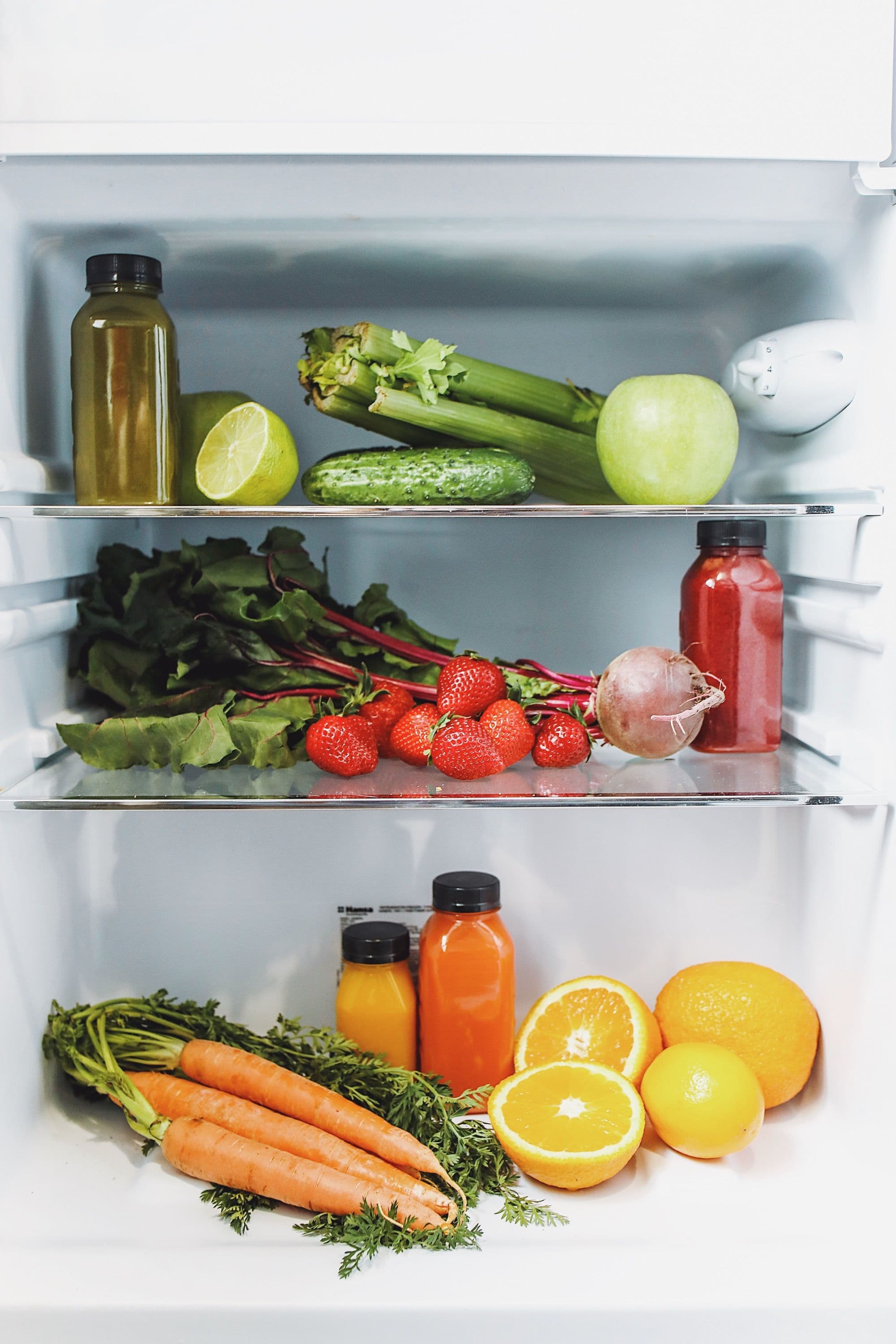
We’ve all been there: you open the crisper drawer with the best of intentions, only to find a container of mushy, fuzz-covered strawberries or a bunch of parsley that has completely withered and lost its vibrant green spark.

Food waste isn't just a blow to our environmental conscience—it’s a direct hit to our wallets. In fact, the average family throws away thousands of dollars in unused groceries every year. But transitioning to a “zero-waste” kitchen doesn't require a lifestyle overhaul overnight. The single most effective step to immediately slashing your food waste is mastering proper storage.

When we store our produce correctly, we don't just delay the inevitable; we actively preserve flavor, texture, and vital nutrients. The secret lies in understanding how different fruits and vegetables interact with temperature, moisture, and a natural ripening gas called ethylene.

To help you get started, here is the ultimate cheat sheet for storing 10 of the most common fruits and 10 of the most common vegetables so they last as long as possible.

The Top 10 Fruits: Storage Guide

Swipe sideways to see all columns.

Fruit

Storage Location

Best Practice

Answer reveal

Trivia Answer: B — Did you guess correctly?

While they make a delicious pair in a pan, stored together, onions emit gases and moisture that trigger potatoes to sprout and turn soft way before their time. Keep them in separate, well-ventilated bins!

Keep Exploring

Take the next step from the journal

Move from inspiration into action with chef services, premium recipes, or more food and wellness stories.

Explore servicesBrowse recipesVisit premium shop

1. Apples

Refrigerator

Keep them loose in the crisper drawer. They emit high levels of ethylene gas, so keep them away from other produce to prevent premature spoiling.

2. Bananas

Countertop

Store them loose and away from direct sunlight. Pro-tip: Wrap the stems in plastic wrap to slow down the ripening process.

3. Berries (Strawberries, Blueberries, etc.)

Refrigerator

Moisture is the enemy of berries. Store them unwashed in their original container with a paper towel at the bottom to absorb moisture. Wash only right before eating.

4. Avocados

Countertop to Fridge

Leave them on the counter until they reach your desired level of ripeness, then transfer them to the fridge to halt the ripening process.

5. Tomatoes

Countertop

Never put tomatoes in the fridge! Cold temperatures destroy their texture and dull their flavor. Store them stem-side down on the counter.

6. Grapes

Refrigerator

Keep them in their ventilated plastic bag in the crisper drawer. Do not wash them until you are ready to eat them.

7. Citrus (Lemons, Limes, Oranges)

Countertop or Fridge

They will look beautiful on your counter for about a week, but if you want them to last up to a month, store them in a mesh bag in the refrigerator crisper.

8. Stone Fruits (Peaches, Plums)

Countertop to Fridge

Ripen them on the counter in a paper bag. Once they yield slightly to gentle pressure, move them to the fridge to preserve them.

9. Melons (Whole vs. Cut)

Countertop, then Fridge

Keep whole melons on the counter. Once sliced, tightly wrap the exposed flesh in beeswax wrap or plastic and store in the refrigerator.

10. Pears

Countertop to Fridge

Store at room temperature until ripe. To speed up ripening, put them in a paper bag with a banana. Move to the fridge once they are soft.

The Top 10 Vegetables: Storage Guide

Swipe sideways to see all columns.

Vegetable

Storage Location

Best Practice

1. Garlic

Pantry / Shelf

Do not store garlic in the refrigerator. Keep whole heads on the shelf or in a pantry in a cool, dry, dark place with plenty of airflow (a mesh or paper bag is perfect).

2. Potatoes

Pantry / Shelf

Store in a cool, dark place. Crucial tip: Never store potatoes near onions! Onions release gases that make potatoes sprout and spoil rapidly.

3. Onions

Pantry / Shelf

Just like garlic, they love cool, dry, dark places with plenty of air circulation. Avoid plastic bags, which trap moisture and cause rot.

4. Carrots

Refrigerator

Cut off any green tops before storing, as they draw moisture away from the root. Store in a sealed container filled with water (change the water every few days) to keep them incredibly crisp.

5. Leafy Greens (Lettuce, Spinach)

Refrigerator

Wash, spin dry thoroughly, and store in a container lined with paper towels to absorb excess condensation.

6. Broccoli & Cauliflower

Refrigerator

Keep them in their original wrapping or a loosely closed plastic bag in the crisper drawer. They need room to breathe, so do not seal the bag tightly.

7. Bell Peppers

Refrigerator

Store them dry in your refrigerator's crisper drawer in a mesh or breathable bag. Moisture on the skin leads to mold.

8. Celery

Refrigerator

Wrap whole celery stalks tightly in aluminum foil. This allows the ethylene gas to escape while keeping the moisture in, keeping it crisp for weeks.

9. Cucumbers

Refrigerator (Warm Zone)

Cucumbers are sensitive to cold. Store them on the upper shelf of the fridge (which is slightly warmer than the bottom drawers) and keep them dry.

10. Fresh Herbs (except Basil)

Refrigerator

Treat parsley, cilantro, and dill like fresh flowers. Trim the stems, place them in a jar with an inch of water, cover loosely with a plastic bag, and refrigerate. (Note: Keep basil on the counter in water, as the fridge turns it black).

The Takeaway

Making small adjustments to how you unpack your groceries takes less than five minutes, but it can extend the life of your fresh produce by days—or even weeks. Start with just a few of your weekly staples and watch how much longer they stay fresh!